
Serving Size: The Foundation of a Nutrition Label
Last Updated on: 25th February 2026, 10:32 pm
Why Every Number on the Label Starts Here
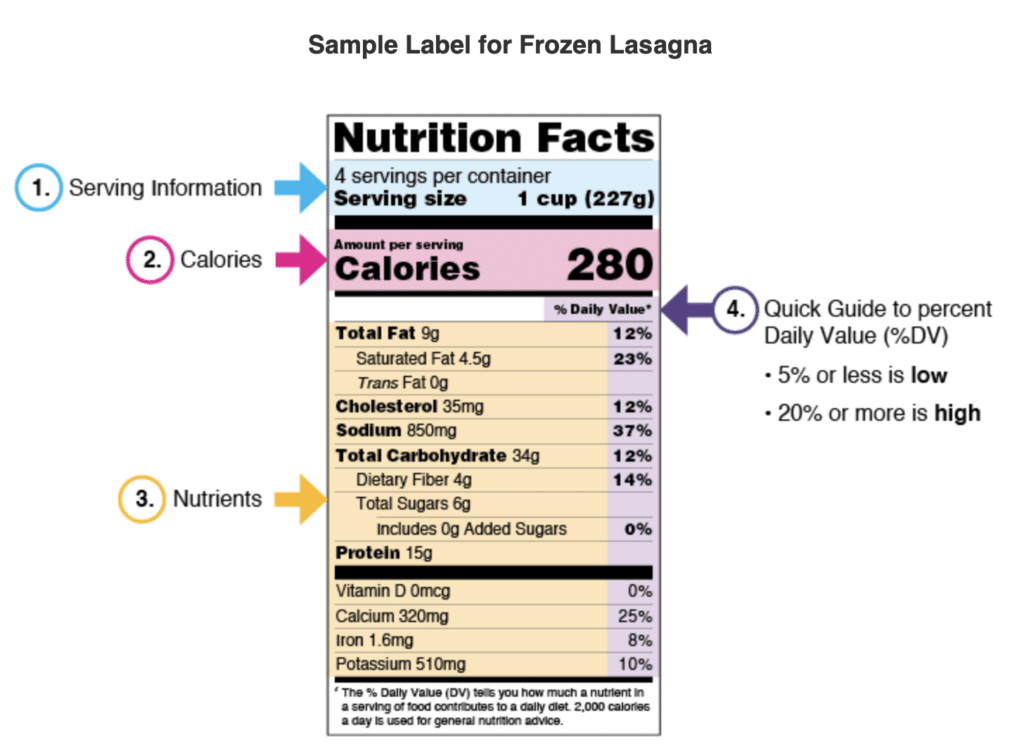
Serving size on a nutrition label sets the math for everything else. Yet, it is often overlooked. Everything listed from calories, to grams of sugar, milligrams of sodium, % Daily Value, and everything in between is based on that one number.
What Serving Size Actually Means
Serving size on a nutrition label is not a recommendation. Instead, it is simply what the manufacturer defines as one serving. Therefore, all nutrient amounts are calculated from that portion.
For example, a label may list one cup as a serving. If you eat two cups, you did not eat one serving. You ate two. As a result, you must double the calories, sodium, and % Daily Value shown.
Why Serving Size Changes the Numbers
This is where confusion often begins. Many people read the calorie line and assume it just applies to the entire package. Most products contain multiple servings per container. Because of this, the total intake can be much higher than expected.
In addition, serving sizes vary significantly between products. One food may list one cup. Another may list one tablespoon. If you use more than the listed amount, the numbers increase accordingly.
How to Use Serving Size When Comparing Products
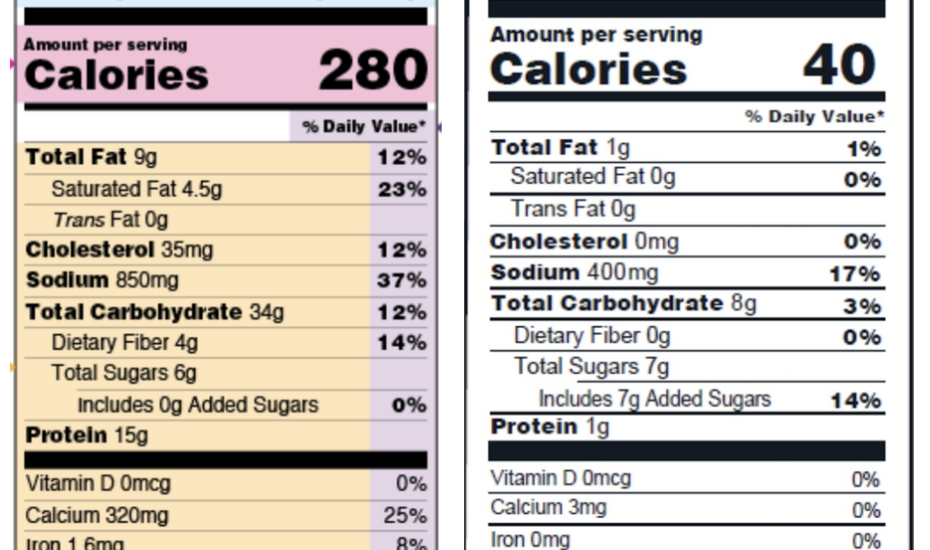
Before comparing calories or nutrients, compare the serving size first. Otherwise, you are not comparing equal portions.
That is why understanding serving size is essential before comparing products. First, check the portion listed. Then, evaluate calories and nutrients within that context.
For a complete breakdown of how this connects to % Daily Value and key nutrients, read the full guide on How to Read a Nutrition Label.
You can also review official labeling standards directly on the FDA website.
Ultimately, serving size is the foundation of how to read a nutrition label. Once you understand that first line, the rest of the label becomes easier to interpret.
Continue Reading
• Calories on a Nutrition Label Explained
• Added Sugars vs. Total Sugars (and Why Fiber Matters)
• Sodium on a Nutrition Label Explained
• % Daily Value Explained
• Fats and Cholesterol on a Nutrition Label Explained
Chef Abyssinia